

The Blue Zones Blueprint: What the world’s healthiest, longest-living communities can teach us

There are places in the world where living to 100 isn’t unusual— it’s simply part of everyday life. These places, known as Blue Zones, are home to some of the longest-living people on the planet.
Their secret isn’t found in a pill, a perfect diet, or a punishing fitness routine. It’s built into how they live — through simple meals made from mostly plants, strong community bonds, daily movement, and a clear sense of purpose.
When I first learned about the Blue Zones, I was deep into understanding how what we eat and how we live shapes the way we feel. Their approach resonated with me, a lifestyle centered on connection, traditions, and whole foods.
In my own home, food and family have always been deeply intertwined. Strongly influenced by my then-husband’s Mexican heritage, I'd recreated a plant-based take on the traditional Mexican cuisine we all loved, blending culture, nourishment, and intention (check out some of my vegan Mexican recipes).
That’s what makes the Blue Zones so powerful. They’re not about chasing longevity as a finish line, rather creating a life where health, happiness, and purpose unfold naturally — one meal, one conversation, and one walk at a time.
What are Blue Zones?
The Blue Zones was popularized by longevity expert Dan Buettner, author of Lessons for Living Longer From the People Who’ve Lived the Longest. Through extensive fieldwork and epidemiological studies, Buettner and his team identified five regions around the world where people regularly live well beyond the global average — and often with remarkable vitality and purpose.
The five recognized Blue Zones include:
- Ikaria, Greece: Known for its strong family bonds, Mediterranean diet, and an active lifestyle.
- Okinawa, Japan: Known for a vegetable-forward diet, meals rich in tofu, and a powerful sense of community.
- Sardinia, Italy: Home to one of the world’s highest concentrations of centenarian men, supported by lifelong physical activity and balanced eating habits.
- Loma Linda, California: A Seventh-day Adventist community with a plant-centered diet, regular movement, and a deep emphasis on faith and social connection.
- Nicoya Peninsula, Costa Rica: Where meals built around beans, corn, and squash, along with close family ties, support a vibrant and active life.
In these zones, the key to longevity isn’t just about diet; it’s a holistic blend of lifestyle, environment, and having a sense of purpose.
Lifestyle practices in Blue Zones
While diet plays a major role, it’s only part of the picture. What truly sets Blue Zone communities apart is how their daily habits and values are woven into everyday life — shaping not just how long people live, but how well they live.
- Natural movement: Activity isn’t a workout — it’s built into daily life. People walk to see friends, tend gardens, and stay active through ordinary tasks.
- Stress relief: Rest is part of the rhythm. Whether it’s a midday nap in Ikaria or a slow, shared meal in Sardinia, people have built-in ways to unwind.
- Strong social ties: Close-knit communities in Blue Zones provide social support, which is linked to mental health and longevity. This could be through community gatherings, family-centric lifestyles, or spiritual fellowship.
- Sense of purpose: In Okinawa, it’s called Ikigai; in Nicoya, Plan de Vida. Having a reason to get up in the morning shapes choices and keeps people engaged as they age.

Health benefits of Blue Zone principles
- Chronic disease patterns: Populations in Blue Zone regions tend to have lower rates of chronic conditions such as heart disease, diabetes, and certain cancers — a trend researchers link to dietary patterns, regular activity, and strong social connections.
- Cognitive and emotional health: Regular social engagement, lower stress levels, and diets rich in plants and healthy fats are associated with better mood, memory, and cognitive resilience throughout life.
- Longevity: The overall lifestyle in these regions — centered on purpose, movement, and nourishing food — is linked with longer average lifespans and a higher quality of life in later years.
- Healthy weight: A mostly plant-based diet and daily, natural movement are associated with healthier body weight and steady energy over time.
- Digestive support: High-fiber diets built around fruits, vegetables, and whole grains help support a balanced gut environment, which in turn may aid digestion and nutrient absorption.
- Restful sleep: Daily rhythms, lower stress, and a slower pace of life are linked to more consistent, restful sleep patterns.
- Hormonal balance: Balanced meals, physical activity, and lower chronic stress may support hormonal health and overall physiological balance.
- Overall well-being: The combined effects of social connection, daily purpose, nourishing food, and movement contribute to a strong sense of well-being and life satisfaction.
A Day in the life: Blue Zone eating habits
Here’s an idea of typical daily meals enjoyed in these communities.
Ikaria, Greece
- Breakfast: Herbal tea with honey and a slice of sourdough bread topped with tomato and olives
- Lunch: Lentil soup seasoned with garlic, onions, and a drizzle of extra virgin olive oil.
- Dinner: Grilled eggplant or zucchini with a side of wild greens and red wine.
Okinawa, Japan
- Breakfast: Miso soup with tofu, seaweed, and a side of sweet potato.
- Lunch: A bowl of brown rice topped with stir-fried bok choy, mushrooms, and tofu.
- Dinner: Soba noodles in a vegetable broth with green onions and a side of kimchi.
Sardinia, Italy
- Breakfast: Whole-grain flatbread with slices of pecorino cheese and fresh figs.
- Lunch: Minestrone soup with a variety of beans, potatoes, and garden vegetables.
- Dinner: Roasted vegetables with a side of barley and a glass of Cannonau wine.
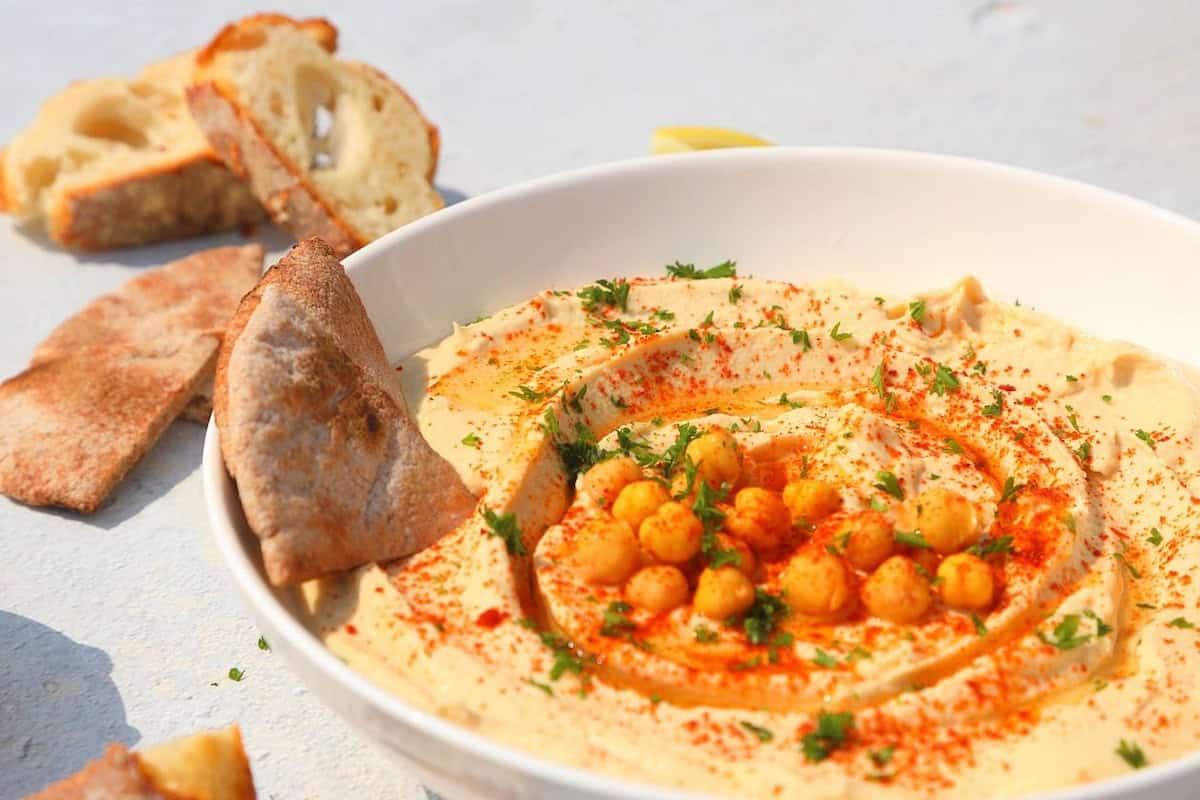
Loma Linda, California
- Breakfast: Oatmeal with almond milk, topped with walnuts and berries.
- Lunch: A hearty salad with mixed greens, chickpeas, avocado, nuts, and seeds.
- Dinner: Quinoa stuffed peppers with a side of steamed broccoli.
Nicoya Peninsula, Costa Rica
- Breakfast: Corn tortilla with black beans and a slice of local cheese.
- Lunch: Casado — a plate of rice, beans, sweet plantains, and a salad.
- Dinner: Vegetable stew with squash, corn, and beans, served with a small portion of chicken.
Incorporating Blue Zone principles into your life
Plant-Based Diet
- Emphasize Whole Foods: Prioritize unprocessed foods. Choose whole grains, fresh fruits, and vegetables, like this vegetable lentil soup recipe.
- Moderate Meat Consumption: In Blue Zones, meat is consumed sparingly, often only a few times a month and in small portions.
- Healthy Fats: Incorporate healthy fats from sources like olive oil, nuts, and avocados.
- Eat Until 80% Full: Practice ‘Hara Hachi Bu’, the Okinawan principle of eating until you’re 80% full to avoid overeating.
Connections
- Socializing: Make time for family and friends. Regular socializing can improve mental health and create a support network.
- Community Activities: Participate in local events, clubs, or volunteer groups to create a sense of belonging and contribute to your community.
- Value Family: Prioritize family meals and gatherings. In Blue Zones, strong family ties are a cornerstone of longevity and well-being.
Find your purpose
- Reflect on what brings you joy and fulfillment. It could be a hobby, a career, or volunteering.
- Having goals related to your purpose provides direction and a sense of achievement.
- Spend time each day reflecting on your purpose and how your daily activities align with it.
Stay active naturally
- Choose walking or biking for short distances. Use stairs instead of elevators.
- Gardening is a common activity in Blue Zones, providing both physical activity and a connection to nature.
- Practices like yoga or tai chi can improve flexibility, balance, and mental well-being.
Manage stress
- This could be meditation, napping, spending time in nature, or a hobby.
- Prioritize downtime and not consistently overworking.
Moderate alcohol consumption
- In some Blue Zones, moderate alcohol consumption, especially wine, is common. However, this is always done in a social setting and not in excess.
Rest well
- Ensure you get enough restful sleep. Create a bedtime routine and a sleep-conducive environment in your bedroom.
Continuous learning and curiosity
- Engage in activities that challenge your brain, like reading, puzzles, or learning new skills.
Navigating the Blue Zone path: Challenges and solutions
A Blue Zone lifestyle is a transformative journey, but like all changes, it can come with challenges.
The image below highlights common challenges and actionable tips to help overcome them. Whether you have a busy schedule or you’re trying to create a supportive environment, there are strategies to help you succeed.

A Blue Zone lifestyle is as much about the process as it is about the destination. Embrace each step — small changes lead to big rewards.
Your lifestyle and diet
It all starts with simple changes, then establishing more consistent habits, and then moves toward the Blue Zone lifestyle. There’s flexibility for gradual improvement for various stages of health and lifestyle changes.
Good
- Incorporate a “Meatless Monday” into your week.
- Try meditation or deep-breathing exercises for five minutes a day.
- Commit to a weekly walk with friends or family.
Better
- Include plant-based foods in all meals, aiming for a colorful variety.
- Make movement a regular part of your day, like a morning walk or cycling.
- Schedule regular social activities, such as community volunteering or outings.
Best
- Follow a predominantly plant-based diet, with 95% of foods being vegetables, fruits, grains, and legumes. Try my hearty homemade marinara sauce over pasta, garbanzo bean noodle soup, or these vegan marry me chickpeas.
- Engage in daily physical activities you enjoy, like gardening, swimming, or group sports.
- Foster deep social connections and build a strong support network.
- Create a sense of purpose through passion projects or career satisfaction.
- Practice mindfulness or spirituality, making time for daily reflection or prayer.
Start where you feel comfortable and strive for slow and steady improvement.

10 budget-friendly tips for Blue Zone principles
Embracing the Blue Zones lifestyle doesn’t have to be expensive.
- Purchase staples like beans, whole grains, nuts, and seeds in bulk. They’re cheaper and store well. Try Instant Pot refried beans or this easy brown rice soup.
- Choose fruits and vegetables in season. They’re more affordable, fresher, and more nutritious.
- If possible, start a small garden. Growing your own vegetables like tomatoes, lettuce, and herbs can save money. Try this blue zone-inspired tomato bruschetta recipe.
- Prepare meals at home rather than dining out. Homemade meals are generally more cost-effective and healthier.
- Plan your weekly meals and simplify meal planning to avoid impulse buys. Check out my guide, easy meal prep for beginners.
- Homemade meals are usually less expensive and healthier than eating out.
- Shop at local markets or co-ops for fresh, affordable produce.
- Learn preservation techniques like freezing or canning to make the most of seasonal produce all year round.
- Limiting meat can significantly cut grocery bills, as plant-based proteins are generally less expensive.
- Be mindful of portion sizes to prevent waste and save money. Use all parts of vegetables, like beet greens or broccoli stems in your cooking.
By implementing these strategies into your daily routine, you can enjoy the health benefits without overspending.
A holistic approach to well-being
When people ask, “What are the Blue Zones?” It’s hard to give a simple, straightforward answer. It’s not simply just a diet or lifestyle habit. It’s a holistic, mindful approach to living to 100 or beyond — and there’s more than one way to approach it.
It’s definitely not a one-size-fits-all.
A plant-based diet, strong community bonds, and an active lifestyle are common similarities and a path to health and longevity. Finding ways that resonate with you, integrating healthy living, and working toward creating a holistic lifestyle is a perfect place to begin.
Every bite, every step, and every connection you make brings you closer to a Blue Zones lifestyle.

Julie Gaeta is a plant-based recipe creator, certified Integrative Nutrition Health Coach, and mom of nine who's been plant-based for over 20 years. She's cooked approximately 4,382 pots of beans and can't vacation without her juicer and pasta pot. Her work has been featured in HuffPost, Yahoo, YourTango, and other major outlets. She helps others simplify wellness and feel good again through her blog, coaching, and weekly newsletter.



Tiffany says
This is such a great read! Thank you for sharing. I was sitting down to do some work when I came across this article and got to the point on prioritizing simple physical activity and immediately shut the computer to go help my partner with some yard work. I feel so much better now having been active and helped in my "community." 🙂 Thanks again Juli!
Tiffany
Julie Gaeta says
Tiffany, I love this so much. Stepping away isn’t always easy, but it’s such a win. It really is amazing how much better we feel when we move and connect. Thanks for taking the time to share this with me—I really appreciate it.